
Publications
CHILDREN DISPLACED IN A CHANGING CLIMATE: MINIMIZING RISK OF DISPLACEMENT AND PREPARING FOR CLIMATE MOBILITY IN EASTERN & SOUTHERN AFRICA
15/9/25
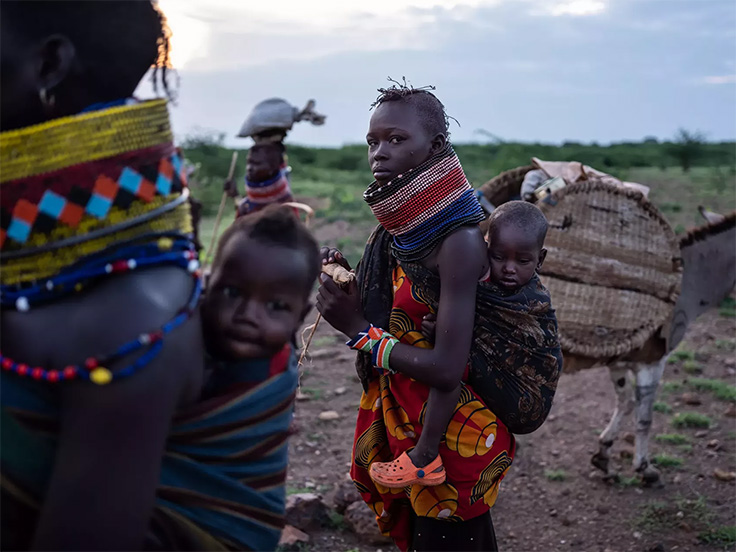
Photo: UNICEF/UNI361762/Sobecki VII Photo
Eastern and Southern Africa is among the regions of the world most at risk from the impacts of climate change, and children are already bearing the brunt of these impacts. Between 2017 and 2023, weather-related disasters displaced an estimated 8.8 million children across the region – an average of 1.26 million in any given year. Floods alone forced 5.2 million children from their homes – 2,400 every single day
This scale of displacement demands urgent, coordinated action. Preventing, preparing for, and responding to weather-related child displacement will require strengthened early warning systems; resilient and inclusive services; better data to track children as they move; and greater investment in children’s protection, participation and resilience.
Loss and damage from climate impacts – in the form of destroyed homes, livelihoods, and futures – must be addressed with adequate financing and support for recovery. At the same time, the growing links between climate impacts, displacement, and conflict make climate security a pressing concern for the region.
Investing in the resilience of the most vulnerable children in Eastern and Southern Africa is not only a moral imperative – it is a strategic investment in the stability, prosperity, and sustainability of communities, economies, and countries.

Read the full text here:

Read the full text here:

Watch the video here: